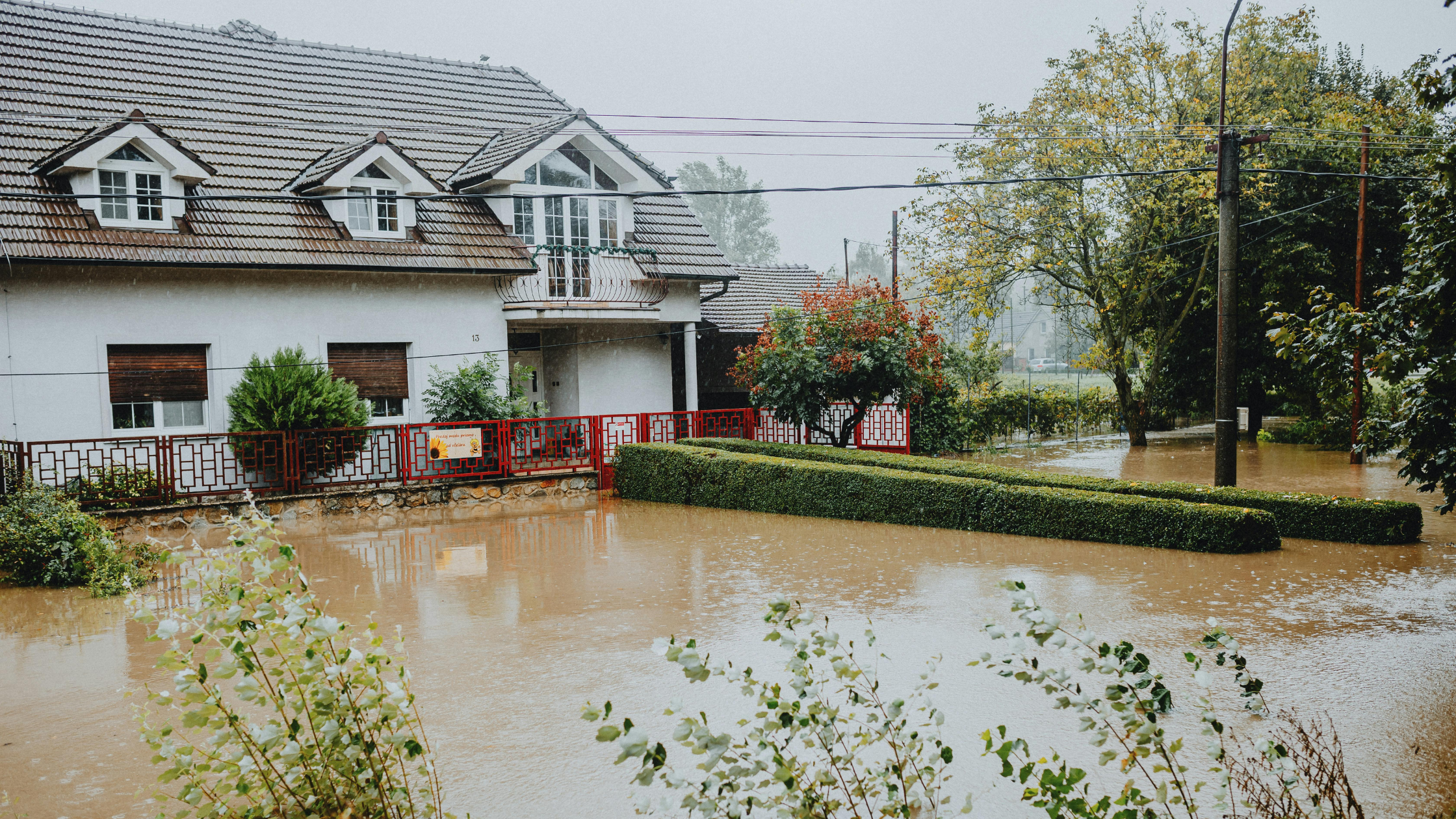
While rain is essential, heavy rainfall can pose a serious threat to your home and property. From basement flooding to landscape erosion, the damage can be significant. The good news is that proactive steps can make a big difference.
This guide will walk you through what to do before, during, and after a heavy rain event to minimize damage and keep your family safe.
Before Heavy Rain Hits: Proactive Protection
Protecting your home starts long before the storm clouds gather. A thorough exterior inspection is your first line of defense.
- Roof Inspection: Check your roof for missing or damaged shingles, sagging areas, or signs of aging. Inspect your chimney for cracks or loose tiles that could allow water entry.
- Clean Gutters and Downspouts: Remove all leaves and debris to allow water to flow freely. Clogged gutters cause water to overflow, damaging your roof, siding, and foundation. Ensure they are securely attached and not leaking.
- Seal Doors and Windows: Close all doors and windows securely. Check the seals and caulking for cracks. Faulty seals can let water seep into walls and floors.
- Secure Outdoor Items: Bring lawn furniture, gardening tools, and grills indoors or secure them. If you must leave a grill outside, use a waterproof cover.
- Maintain Your Sump Pump: If you have a basement, a sump pump is essential. Test it annually and consider a battery backup system to keep it running during a power outage. An alarm can alert you if the pump fails.
- Install a Backwater Valve: This device prevents sewer backups from city lines from flowing into your basement through drains and toilets.
- Improve Yard Drainage: Identify low lying areas where water pools, especially near your foundation. Contact a landscaping specialist to improve grading and drainage, directing water away from your home.
During Severe Storms: Safety First
When the storm is actively happening, your priority is personal safety.
- Stay indoors and avoid unnecessary travel. Be aware of flash flood warnings in your area.
- Monitor weather updates from local television or radio stations.
- Keep away from windows and doors, which can shatter from wind pressure or flying debris.
- Avoid using electrical appliances, and do not take showers, do dishes, or run laundry. Plumbing can conduct electricity from lightning strikes.
After the Rain Has Passed: Careful Assessment
Once the storm has passed, proceed with caution as you assess the situation.
- Continue listening to weather reports for updates on further storms.
- Be careful walking outside. Watch for broken tree branches, debris, and slippery surfaces.
- Carefully inspect the exterior of your home for visible damage to the roof, siding, or foundation.
- Stay far away from any downed power lines and report them immediately to your utility company.
- Never attempt to drive through flooded roadways. Just a few inches of moving water can sweep a vehicle away.
Ensure You Have the Right Insurance Coverage
Even with the best preparation, water can still find a way into your home. Standard homeowners insurance does not cover damage from flooding. For that protection, you need a separate flood insurance policy.
It is important to plan ahead, as these policies often have a 30-day waiting period before they take effect.
Do not wait for the next forecast. Contact ONYX Insurance Brokers today for a free, personalized quote. Our experts will help you understand your risks and ensure you have the right coverage, including flood insurance, to protect your home.